Treat the center like an open-air investigation
Roman Sofia is not confined to one grand ruin. Its past emerges in fragments beneath squares, beside modern buildings, and within the outline of ancient streets. Ancient Serdica becomes easier to picture when you follow those clues and ask what each one can reveal about the people who lived here.
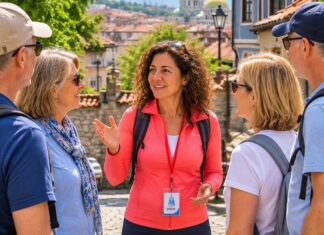
A personal cultural tour can take the form of a historical investigation. Start with a street or building foundation, then look for evidence of how people moved, traded, and gathered. A Local Expert can help connect these traces without turning the visit into a list of dates.
Clue one is the street plan
The remains around the Largo show parts of Serdica’s ancient street network and buildings. Look closely at the direction of a road, the size of a residential block, and the spaces where shops once stood. These details offer a glimpse of an organized urban center rather than a settlement made up of isolated monuments.
Imagine arriving in the city as a traveler. You would need a route through its streets, somewhere to buy daily necessities, and places where public business took place. The archaeological evidence helps a guide explain how those parts of city life fit together. You can compare the exposed stonework with the active streets above it and notice how Sofia continues to use the same central area.
Clue two is water and public life
Serdica’s mineral springs helped shape its development. Roman baths and traces of water systems point to the importance of bathing, engineering, and shared public spaces. They also show how the city’s natural setting influenced its urban life.
A useful tour makes time for the less obvious evidence. Ask what the remains can tell us about heating, drainage, or access to water. These practical systems reveal how Roman residents experienced the city day by day. Coins, inscriptions, and carved fragments offer other clues about local beliefs and civic identity.
Let the evidence meet the imagination
Serdica changed over time, and Roman remains are only one part of Sofia’s history. Later buildings and religious traditions grew alongside the ancient city. A guide can help separate what is archaeologically supported from what is a reasonable reconstruction, while still making the past vivid.
Travelers interested in early Christian history can also explore a St Paul Tour in Ephesus, Turkey. It offers a different setting for considering how ancient communities and religious life developed.
Follow the questions that interest you
A private Roman Sofia tour can focus on architecture, daily routines, archaeology, or the city’s changing identity. Bring a few questions and let the discoveries guide the conversation. For more ideas about the site and its wider context, explore Bulgarian Revival Architecture.
To shape a personal visit around your interests, Contact Us. Ancient Serdica is most rewarding when each visible clue opens a new question about the city beneath modern Sofia.