A Landmark That Tells the Story of Bulgaria
In the heart of Sofia stands one of the most recognizable religious buildings in the Balkans. Alexander Nevsky Cathedral is more than an impressive architectural landmark. It represents an important chapter in Bulgarian history, Orthodox Christianity and the country’s cultural identity.
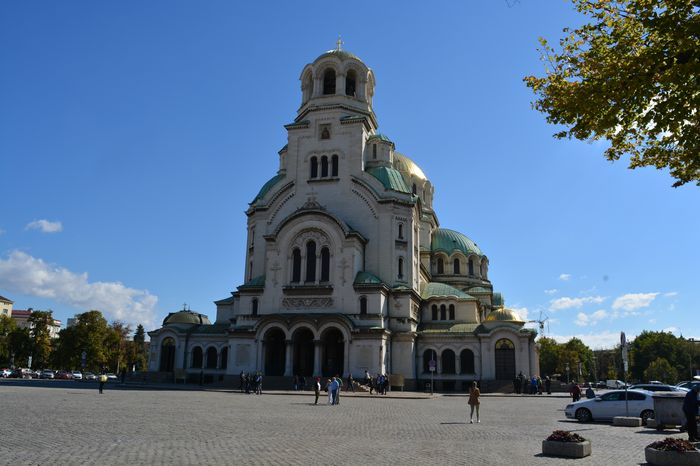
Its golden domes dominate the city skyline, attracting visitors from around the world. For travellers interested in religion, history and architecture, the cathedral provides an excellent starting point for understanding Sofia and its spiritual heritage.
The building was constructed in memory of the Russian soldiers who died during the Russo-Turkish War of 1877–1878, which played a decisive role in Bulgaria’s liberation from Ottoman rule. Construction began in 1882, and the cathedral was consecrated in 1924.
Discover the Architecture of Alexander Nevsky Cathedral
The cathedral is an outstanding example of Neo-Byzantine architecture. Its impressive exterior features large golden domes, green details, decorative arches and a monumental central structure.
Step inside and the atmosphere changes completely. Visitors encounter marble columns, detailed mosaics, religious paintings and beautifully decorated interior spaces. The combination of light, colour and traditional Orthodox iconography creates a remarkable setting for understanding Eastern Christian artistic traditions.
The cathedral can accommodate thousands of worshippers and remains an active place of Orthodox religious life. Visitors should remember that religious services take priority and respectful clothing and behaviour are expected.
Understanding the Orthodox Heritage of Sofia
Sofia has a long and diverse religious history. Roman remains, medieval churches and Ottoman-era buildings reveal how different civilizations and faiths shaped the city.
A private religious walking tour can help visitors understand these historical layers. Rather than viewing monuments as separate attractions, a knowledgeable guide can explain their connections and place them within the wider story of Bulgaria.
One particularly interesting comparison is the relationship between Bulgarian Orthodox traditions and the religious heritage of Istanbul. The history of the Ottoman period influenced architecture, communities and cultural exchange across the Balkans. Our article about Ottoman History offers further insight into this important historical period.
Visit Saint Sofia Church and Explore Ancient Sofia
Another essential stop for visitors interested in religious history is Saint Sofia Church. This historic building gave the Bulgarian capital its name and is closely connected with the development of Christianity in the region.
Its early Christian origins and distinctive architecture provide a fascinating contrast to the monumental design of Alexander Nevsky Cathedral.
You can discover more about this remarkable landmark in our guide to Saint Sofia Church.
Explore Christian Heritage Beyond Bulgaria
Religious travellers often enjoy comparing Orthodox traditions with other Christian historical sites. Turkey offers an especially rich experience, with ancient churches, biblical locations and important centres of early Christianity.
Visitors interested in a wider journey through Christian history can explore our Religious Tours Turkey, which introduce the remarkable religious heritage of Ephesus and western Anatolia.
Experience Alexander Nevsky Cathedral with a Private Guide
Visiting Alexander Nevsky Cathedral becomes more meaningful when you understand the stories behind its architecture, religious paintings and historical significance.
A private Sofia religion tour can be adapted to your interests, whether you want to focus on Orthodox Christianity, Bulgarian history or the city’s most important religious monuments.
For information about private guiding services and customized itineraries, please visit our Contact Us page.
Discover Sofia through its churches, traditions and remarkable history.