
Start with the city you can see
Sofia moves at a modern pace, but Roman Serdica sits just beneath its central streets. On a cultural tour, the contrast becomes part of the experience. You can step from a busy square toward exposed stone roads, house foundations, and traces of the city’s ancient infrastructure.
Serdica grew into an important Roman city, shaped by trade, public life, and the mineral springs in the area. A Professional Tour Guide can help you notice how those broader forces show up in the remains and explain what archaeologists can infer from them.
Follow the route beneath the Largo
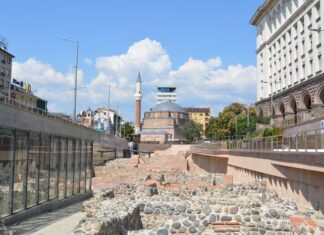
At the Serdica archaeological complex, sections of Roman streets and building remains appear below the modern city. Look for the layout of the old road, the scale of the residential blocks, and signs of shops that once served locals and travelers. These details make Ancient Serdica easier to picture as a working city rather than a collection of isolated stones.
Try imagining an ordinary day. People crossed the central streets to trade goods, visit public spaces, and reach nearby homes. A guide can use the visible foundations to explain how the city was arranged and how its inhabitants moved through it. The experience is especially engaging when you pause to compare the ancient street plan with the roads and buildings above.
Notice how water shaped daily life
Water was central to Roman Serdica. The city’s mineral springs supported bathing and public infrastructure, while archaeological traces of water supply and drainage offer clues about urban routines. At the remains of Roman baths, imagine the engineering needed to bring water into a public building and keep it moving through the city.
This is a useful way to read the site: look for the practical systems that made daily life possible. Walls and columns attract attention, but drains, heating arrangements, and street surfaces can tell a more intimate story about comfort, hygiene, and civic planning.
See the Roman city in a longer timeline
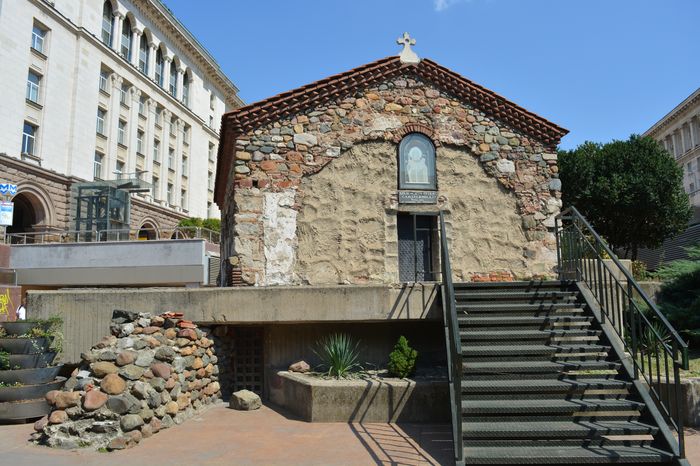
Serdica did not end with the Roman period. Later buildings and religious sites reflect the city’s changing role through late antiquity and the centuries that followed. St George’s Rotunda, for example, is a surviving monument from Roman times that continued to serve people in later eras.
For travelers interested in early Christian history beyond Bulgaria, the Seven Churches Tour offers a separate perspective on ancient communities in Turkey. Back in Sofia, a Roman Sofia visit can help connect Serdica’s remains with the city’s wider archaeological story.
Make the discoveries personal
A private cultural tour gives you time to follow the details that catch your attention, whether that means Roman engineering, urban planning, or the transition between historical periods. Ask questions as you walk and leave time to look closely at the remains.
To plan a visit around your interests, Contact Us. Ancient Serdica becomes more vivid when you can connect its streets and structures with the people who once used them.