A Church That Gave a Capital Its Name
Some historic buildings are important because of their architecture. Others are remembered because of the role they played in shaping a city. Saint Sofia Church belongs to both categories. Located in the heart of Bulgaria’s capital, this remarkable early Christian monument is closely connected with the identity and history of Sofia.
The church stands on a site where religious buildings existed during the Roman period. Its present structure dates mainly from the 6th century, during the reign of Byzantine Emperor Justinian I. Over the centuries, it witnessed the transformation of the city through different political periods and religious traditions.
The name Sofia comes from the Greek word for wisdom, referring to Holy Wisdom rather than a person named Sofia. The church eventually gave its name to the Bulgarian capital, making it one of the most meaningful historical landmarks in the country.
Discover the Architecture Beneath the Surface
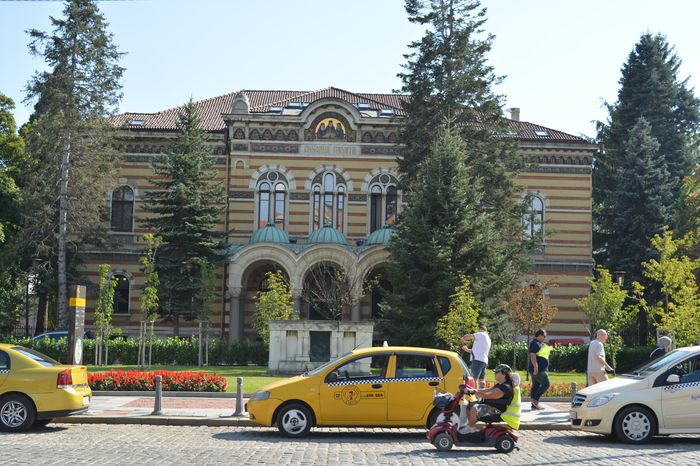
At first glance, Saint Sofia Church may appear modest compared with the impressive golden domes of Alexander Nevsky Cathedral. However, its simple red-brick exterior hides a fascinating architectural story.
The building follows an early Christian basilica design, with a central nave, side aisles and an eastern altar area. Its solid construction reflects the architectural traditions of the early Byzantine period.
One of the most interesting features is the archaeological level beneath the church. Visitors can explore remains of earlier religious structures, ancient tombs and sections of the Roman-era necropolis. These discoveries reveal how the area developed as an important religious centre over many centuries.
The combination of the standing church and its underground archaeological remains makes the visit particularly rewarding for anyone interested in early Christianity.
Follow the Development of Christianity in Sofia
Saint Sofia Church provides an excellent starting point for understanding the spread of Christianity in the Balkans. During the late Roman and early Byzantine periods, Sofia was known as Serdica and became an important administrative and religious centre.
The city played a significant role in the early Christian world. Religious buildings, archaeological remains and historic inscriptions help explain how Christian communities developed in this part of southeastern Europe.
Visitors interested in exploring this history further can also discover the story of Early Christianity in Ephesus, where the teachings of the first Christian communities shaped the religious history of western Turkey.
Explore Other Religious Landmarks Nearby
Sofia offers several important religious monuments within a relatively compact historic centre. The Rotunda of St George is another fascinating destination, known for its Roman origins and medieval frescoes.
Built during the Roman period, the rotunda has served different religious purposes throughout its long history. Its surviving structure provides a striking contrast to the larger basilica design of Saint Sofia Church.
Together, these monuments help visitors understand the many layers of Sofia’s architectural and spiritual heritage. For another perspective on discovering a city through its everyday culture, explore our guide to What Locals Recommend.
Experience Sofia with a Private Religion Tour
A guided visit to Saint Sofia Church offers much more than an opportunity to admire an ancient building. It connects architecture, archaeology and religious history in one memorable experience.
Our private Sofia religion tours can be customized around your interests, allowing you to explore important churches and historical locations at a comfortable pace. If you would like to arrange a private guide or discuss a personalized itinerary, please visit our Contact Us page.
Discover the history of Sofia through the remarkable legacy of Saint Sofia Church.