Exhibit one follows the names
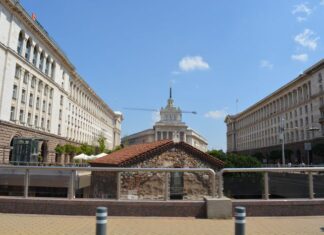
Sofia was known as Serdica in antiquity and later as Sredets. Bulgarian ruler Khan Krum captured Serdica in 809, and the city was integrated into the First Bulgarian Empire under Khan Omurtag. During the 11th and 12th centuries it came under Byzantine rule. The Second Bulgarian Kingdom brought renewed growth from the late 12th century through the 14th century. The name Sofia emerged in the late 14th century, linked to the Basilica of St Sofia, and became established in the 15th century.
These shifts are visible in the city’s layered history. Visitors interested in how old traditions continue to shape a capital can compare Sofia with Istanbul through Cultural Heritage.
Exhibit two is painted in Boyana
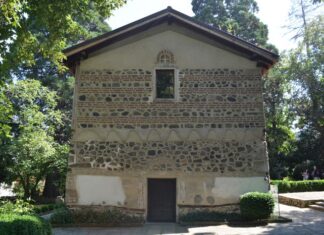
On Sofia’s outskirts, Boyana Church preserves an exceptional record of medieval art. The eastern church dates to the 10th century. In the 13th century Sebastocrator Kaloyan added a second building, whose celebrated frescoes were painted in 1259. Their expressive faces and careful detail bring medieval patrons, saints and daily life into view. The church is part of the UNESCO World Heritage site of Boyana Church. Its compact plan rewards a close look because architecture and paintings mark separate phases within one small ensemble.
A different sacred landmark from Turkey is the Basilica of St John in Ephesus. It offers another way to explore how faith, architecture and pilgrimage shaped places across the region in different centuries.
Exhibit three opens toward Vitosha
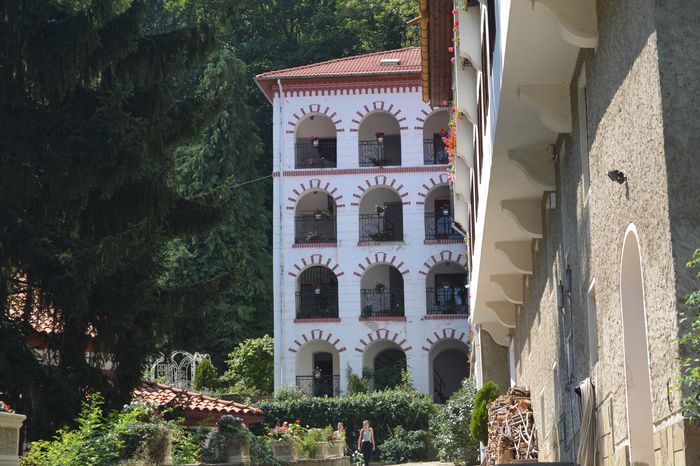
Medieval Sofia extended beyond its central streets. Monasteries formed around the foothills of Vitosha and the nearby mountains, creating a network of religious life sometimes called Sofia’s Minor Mount Athos. Their churches and communities helped preserve worship, learning and local traditions through periods of political change.
For more context on the period when Bulgarian and Byzantine cultures met, explore Byzantine Bulgaria as part of a personal tour of the city’s medieval heritage. An expert can explain where these phases overlap and what details to look for in the paintings, masonry and surviving church forms. That makes medieval history tangible even on a short visit.
What the streets still reveal
Written sources and archaeological remains tell different parts of Sofia’s medieval story. Evidence found beneath the modern center points to active settlement, while surviving churches and monastery sites show how faith shaped the surrounding landscape. Reading these clues together turns a visit into a conversation between names, images and place.
A personal Sofia cultural tour can follow the details that interest you most, from Boyana’s frescoes to the city’s early names. To plan a visit around your interests, use the separate Contact Us page.
In Sofia, Medieval Bulgaria can be read through the city’s changing names, painted church walls and religious communities. These clues connect the modern capital with centuries when Serdica and Sredets stood at the meeting point of Bulgarian and Byzantine power. A personal cultural tour can bring these scattered traces together and show how medieval life shaped the city visitors see today. Names are useful guides here because each one points to a different political and cultural chapter.
Exhibit one follows the names
Sofia was known as Serdica in antiquity and later as Sredets. Bulgarian ruler Khan Krum captured Serdica in 809, and the city was integrated into the First Bulgarian Empire under Khan Omurtag. During the 11th and 12th centuries it came under Byzantine rule. The Second Bulgarian Kingdom brought renewed growth from the late 12th century through the 14th century. The name Sofia emerged in the late 14th century, linked to the Basilica of St Sofia, and became established in the 15th century.
These shifts are visible in the city’s layered history. Visitors interested in how old traditions continue to shape a capital can compare Sofia with Istanbul through Cultural Heritage.
Exhibit two is painted in Boyana
On Sofia’s outskirts, Boyana Church preserves an exceptional record of medieval art. The eastern church dates to the 10th century. In the 13th century Sebastocrator Kaloyan added a second building, whose celebrated frescoes were painted in 1259. Their expressive faces and careful detail bring medieval patrons, saints and daily life into view. The church is part of the UNESCO World Heritage site of Boyana Church. Its compact plan rewards a close look because architecture and paintings mark separate phases within one small ensemble.
A different sacred landmark from Turkey is the Basilica of St John in Ephesus. It offers another way to explore how faith, architecture and pilgrimage shaped places across the region in different centuries.
Exhibit three opens toward Vitosha
Medieval Sofia extended beyond its central streets. Monasteries formed around the foothills of Vitosha and the nearby mountains, creating a network of religious life sometimes called Sofia’s Minor Mount Athos. Their churches and communities helped preserve worship, learning and local traditions through periods of political change.
For more context on the period when Bulgarian and Byzantine cultures met, explore Byzantine Bulgaria as part of a personal tour of the city’s medieval heritage. An expert can explain where these phases overlap and what details to look for in the paintings, masonry and surviving church forms. That makes medieval history tangible even on a short visit.
What the streets still reveal
Written sources and archaeological remains tell different parts of Sofia’s medieval story. Evidence found beneath the modern center points to active settlement, while surviving churches and monastery sites show how faith shaped the surrounding landscape. Reading these clues together turns a visit into a conversation between names, images and place.
A personal Sofia cultural tour can follow the details that interest you most, from Boyana’s frescoes to the city’s early names. To plan a visit around your interests, use the separate Contact Us page.