
Roman Sofia and the Legacy of Ancient Serdica
Roman Sofia offers a fascinating look at the ancient city of Serdica, whose remains are woven into the center of Bulgaria’s modern capital. Archaeological streets, building foundations, and historic landmarks reveal how the settlement developed under Roman rule. A personal cultural tour helps visitors connect these visible traces with the wider story of Sofia.
Serdica grew at an important crossroads, linking routes between the Danube region, the Aegean, and the Black Sea. Its location supported trade and travel, helping it become a significant regional center. Today, Roman remains sit beside modern streets, metro stations, and public squares, making the ancient past part of everyday city life.
Explore the Ancient Serdica archaeological complex
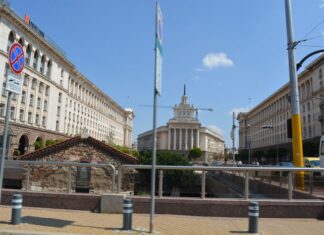
The archaeological complex near the Largo is one of the easiest places to discover Roman Sofia. Excavated areas reveal sections of ancient streets, residential buildings, and public spaces. Some remains are visible beneath modern structures, while others are integrated into pedestrian areas.
As you walk through the site, notice how the Roman street layout relates to the present-day city. Archaeological displays and preserved foundations help show the scale of the settlement. A guide can explain what different structures may have been used for and how researchers interpret the remains.
See landmarks from different periods
The Church of St George Rotunda is among Sofia’s best-known historic buildings. Its Roman-era structure has survived through many changes in the city and is surrounded by traces of earlier settlement. The contrast between the rotunda, nearby archaeological remains, and later architecture captures the layered character of Sofia.
Roman Sofia is only one chapter in the capital’s history. Byzantine, medieval, and Ottoman periods all left their mark on the city. You can explore more of this broader story through Thracian Heritage, which introduces another important layer of Bulgaria’s past.
Plan a personal walking tour
Many historic sites are close together in Sofia’s center, making them suitable for a walking route. Wear comfortable shoes, as some archaeological areas have uneven surfaces. Check current opening information before your visit, since access to individual sites may vary.
A personal tour can focus on Roman engineering, urban planning, or the changes that transformed Serdica into Sofia. It also gives you time to ask questions and explore at a pace that suits your group. For help arranging a guided walk, contact our team.
Connect Roman Sofia with regional history
Travelers continuing through the region can explore Constantinople, the historic city that became modern Istanbul. At Ephesus, the Odeon offers another view of Roman public life through its performance and meeting space.
Experience Roman Sofia with local insight
Roman Sofia brings ancient history into the heart of a living capital. Exploring Serdica’s streets and remains with local context helps you understand how the Roman settlement shaped the city that followed. Add a guided walk to your Sofia visit for a closer look at Bulgaria’s ancient urban heritage.