

UNESCO Bulgaria and Its Cultural Heritage
UNESCO Bulgaria brings together remarkable cultural and natural sites that reveal the country’s long history and varied landscapes. From medieval churches and mountain monasteries to ancient tombs and rock formations, these places offer a deeper way to explore Bulgaria. Sofia is a convenient base for cultural tours, with several important heritage destinations reachable on a day trip.
A personal tour can help connect each landmark to the people and events behind it. Rather than rushing between attractions, you can focus on the sites that match your interests, whether you enjoy architecture, archaeology, religious art, or nature.
Discover heritage sites near Sofia
Boyana Church, on the outskirts of Sofia, is known for its medieval frescoes and layered history. Inside, painted figures and scenes give visitors a close look at Bulgarian religious art. Access is carefully managed to protect the historic interior, so check current visitor arrangements before your visit.
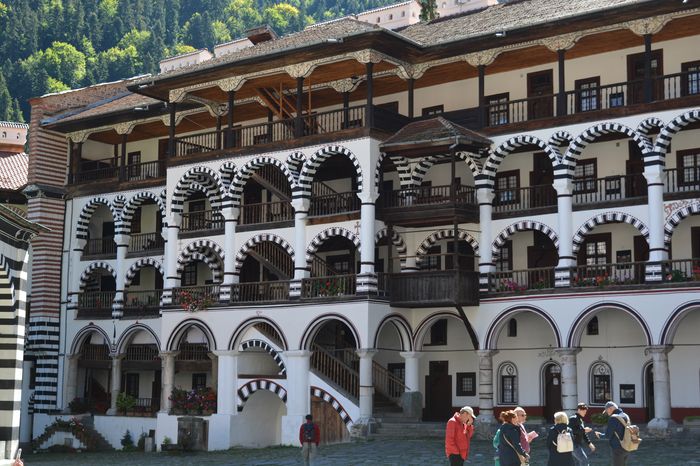
The Rila Monastery offers a very different setting. Surrounded by mountain scenery, its arcaded courtyard, church, and colorful frescoes make it one of Bulgaria’s most celebrated cultural landmarks. A guided visit can explain the monastery’s role in preserving Bulgarian language, faith, and identity through periods of change.
Explore ancient history and distinctive landscapes
Bulgaria’s UNESCO heritage also reaches back to ancient times. The Thracian Tomb of Kazanlak is celebrated for its painted burial chamber, while the Madara Rider is carved into a high rock face. Each site offers a different window into the cultures that shaped the region.
A Thracian Tomb Tour can introduce visitors to the archaeology and traditions associated with the Kazanlak area. Access to original archaeological interiors may be limited for conservation, so confirm what can be visited on your travel date.
Plan a cultural tour from Sofia
Sofia’s location makes it possible to combine city sightseeing with excursions to heritage sites. Consider travel times, walking distances, opening schedules, and the interests of your group when planning. Comfortable shoes and a flexible itinerary are useful, especially when visiting monasteries or archaeological locations.
For help choosing destinations or arranging a private cultural itinerary, contact our team. A local guide can help you prioritize stops and add historical context along the way.
Connect Bulgaria with nearby history
Travelers continuing through the region can explore Roman Constantinople in Istanbul, where surviving landmarks reflect the city’s ancient and Byzantine past. In Ephesus, the Terrace Houses reveal details of domestic life in a Roman city.
Experience UNESCO Bulgaria with local insight
Exploring UNESCO Bulgaria offers a rewarding view of the country’s architecture, art, archaeology, and landscapes. A thoughtfully planned tour from Sofia helps make each stop more meaningful and leaves room to appreciate the details. Choose sites that fit your schedule and interests for a cultural journey through Bulgaria’s heritage.


